
Writing
Turn Strong Writing Skills Into Career Opportunities
A Writing degree from UW-Superior helps you become a stronger communicator, critical thinker, storyteller and content creator. Whether you want to publish creative work, write for businesses and organizations, create digital content or pursue graduate study, you’ll develop versatile writing skills that transfer across industries and careers. Study on campus or online while building a portfolio of work through hands-on projects, publications and internship opportunities.
Ready to get started?
Apply to the Writing program at UW-Superior and take the next step toward a career built on communication, creativity and problem-solving.
What You’ll Learn
Writing is one of the most valuable skills employers seek across industries. Effective writers help organizations communicate ideas, tell stories, solve problems and connect with audiences.
You’ll gain practical skills in:
- Generate and develop original ideas
- Write effectively for multiple audiences and purposes
- Conduct research and incorporate evidence
- Revise and edit professionally
- Apply grammar, style and mechanics effectively
- Move projects from concept to publication
- Build a portfolio showcasing your abilities
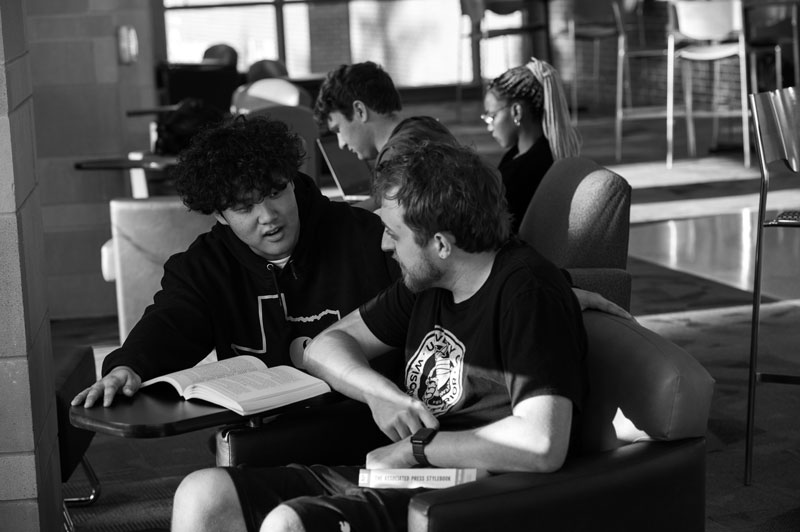
Graduates leave with practical experience creating content in multiple genres and formats.
Why Study Writing at UW-Superior?
Writing is one of the most valuable skills employers seek across industries. Effective writers help organizations communicate ideas, tell stories, solve problems and connect with audiences.
Unlike many programs that focus on a single writing style, UW-Superior emphasizes versatility, helping students adapt their writing for different audiences, platforms and career goals.

Creative writing and storytelling

Professional and workplace writing

Editing and revision

Research and interviewing

Digital, web and publication content creation

Audience analysis and communication strategy
Learn by Doing
Real-World Experience Built In
Students apply classroom learning through publishing opportunities, community partnerships and experiential learning projects.
High-Impact Learning Experiences Include

Literary Publishing
Contribute to or help produce the Nemadji Review, gaining firsthand experience with editing, publishing and literary production.
Community-Based Writing Projects
Work with local organizations through Academic Service-Learning projects that address real communication needs.
Internships
Gain professional experience and build your portfolio through writing, communications, marketing and publishing internships.
Senior Capstone
Create a substantial writing project and professional portfolio that demonstrates your growth and prepares you for future opportunities.
Career Opportunities
Strong writers are needed in nearly every industry. A Writing degree provides flexibility to pursue creative, technical, nonprofit, business and media careers.
Potential career paths include:
Because writing is a foundational skill across fields, graduates often combine their writing expertise with interests in business, education, nonprofits, technology, government and media.
Who Should Apply?
The Writing program is a good fit for students who:
- Enjoy writing, reading and storytelling
- Want to strengthen their communication skills
- Are interested in publishing, media, marketing or communications
- Want a degree with flexible career options
- Enjoy creativity, research and critical thinking
- Want to develop a professional portfolio of work
You don’t need to know exactly what type of writer you want to become. The program gives you opportunities to explore multiple genres and career pathways while developing skills valued by employers.

Studying Writing at UWS allowed me to pursue my passion and provided incredible opportunities for collaboration with peers and instructors. The support I received from my classmates and the WLL department enhanced my academic journey and created educational opportunities that otherwise might have been overlooked.

As a first-generation student, it was important to me to choose a school and program that held my interest, challenged me, and supported me. The writing program at UWS did that – and I’m eternally grateful for the privilege of learning here.
Writing Degree vs. English Degree
Writing Degree vs. English Degree: What’s the Difference?
Both Writing and English majors help students become stronger communicators, readers and critical thinkers, but they approach language and literature from different perspectives.
Writing Degree
A Writing degree focuses on creating content and developing practical communication skills. Students spend much of their time writing, revising, editing and publishing work for different audiences and purposes.
You’ll typically study:
- Creative writing
- Professional and workplace writing
- Editing and publishing
- Digital and web content
- Technical and applied writing
- Research and interviewing techniques
A Writing degree is ideal for students interested in content creation, publishing, marketing, communications, media or careers that rely heavily on producing written work.
English Degree
An English degree focuses more heavily on literature, language, textual analysis and interpretation. Students examine how writing reflects culture, history and human experiences while developing strong analytical and research skills.
You’ll typically study:
- American, British and world literature
- Literary analysis and criticism
- Language and linguistics
- Cultural studies
- Research and theory
- Writing and communication
An English degree is often a strong fit for students interested in literature, education, law, research, graduate study or careers that require advanced analytical and reading skills.
Find out more about the Writing degree at UW-Superior
FAQs
Apply or Get Started Today
Applying to UW-Superior is easy and free for undergraduate students. Once your application is submitted, you’ll hear from us within just a few days. We’re here to help you every step of the way with any questions you may have, so why wait? Start your application today.
Interested in Graduate Programs?
Visit our graduate programs page to find the program that’s right for you.
Request Information

We’re Here to Help
Admissions Office
Yellowjacket Union Room 230
P.O. Box 2000
Superior, WI 54880