Environmental Science
Study Environmental Science Where Research Meets the Real World
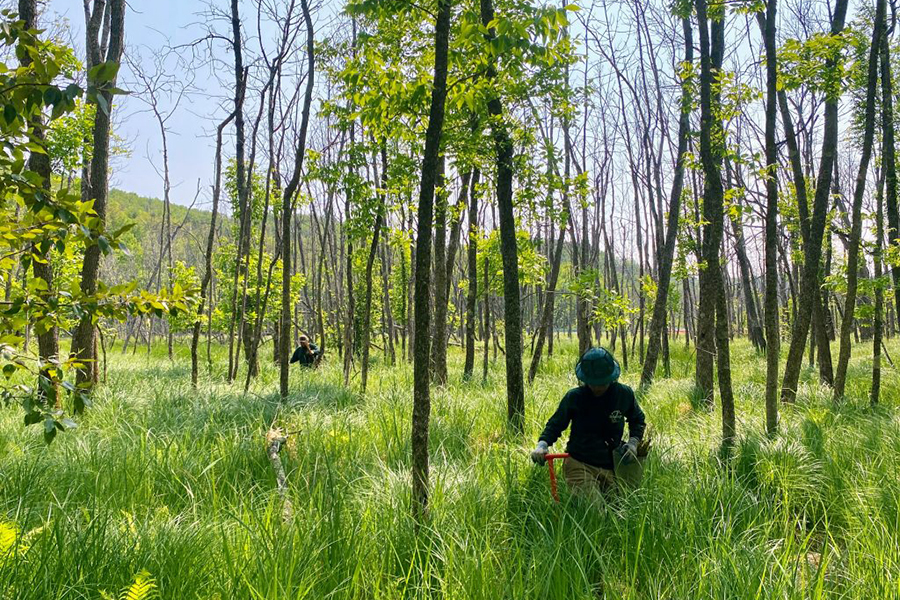
Environmental science is the study of how people interact with land, water and air. At UW-Superior, you’ll explore today’s most pressing environmental challenges while gaining hands-on experience in the classroom, laboratory and field. Located on the shore of Lake Superior, the program provides direct access to forests, wetlands, rivers and freshwater ecosystems that serve as living laboratories for environmental research and discovery.
Through an interdisciplinary curriculum that combines biology, chemistry, geology and environmental policy, you’ll build the scientific knowledge and practical skills needed for careers in environmental science, conservation, sustainability and natural resource management.
Ready to get started?
Apply to the Environmental Science program at UW-Superior and take the next step toward a career in environmental research, sustainability, natural resource management or environmental policy.
What You’ll Learn
Study environmental systems from multiple scientific perspectives while developing the skills needed to understand and address environmental challenges.
You’ll learn how to:
- Analyze environmental systems and processes
- Conduct field and laboratory research
- Collect and interpret environmental data
- Use Geographic Information Systems (GIS)
- Evaluate sustainability challenges and solutions
- Understand ecological and aquatic systems
- Apply scientific approaches to real-world environmental issues
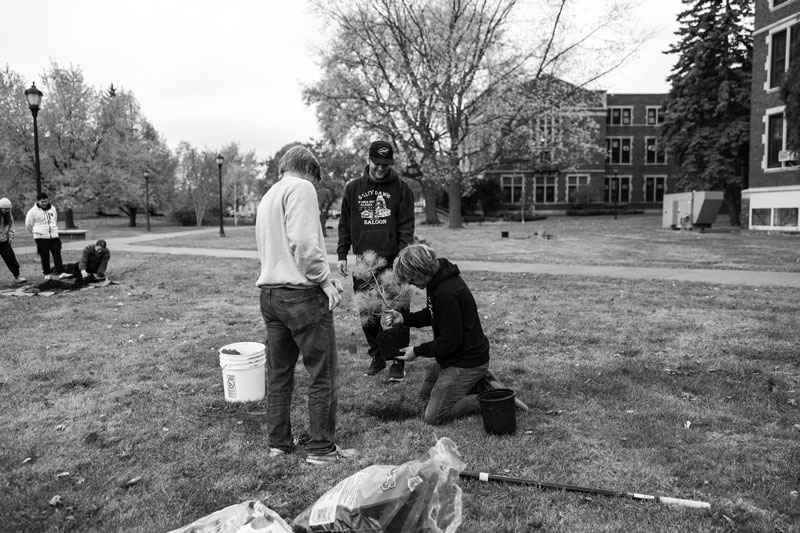
Coursework integrates biology, chemistry, geology and environmental policy to help you understand how natural systems work and how human activities affect them.
Why Study Environmental Science at UW-Superior?
Environmental challenges don’t fit neatly into one discipline, and neither should your education.
At UW-Superior, you’ll:

Learn through an interdisciplinary curriculum that combines natural sciences and environmental studies.

Gain hands-on experience through research, fieldwork and internships.

Study in one of North America’s most important freshwater regions.

Work alongside faculty researchers and scientists from the Lake Superior Research Institute (LSRI) and Lake Superior National Estuarine Research Reserve (LSNERR).

Build professional skills through laboratory research, environmental monitoring and field studies.
Learn by Doing
Gain Hands-On Research Experience
Research and experiential learning are built into the Environmental Science program.

Research Opportunities
Work alongside faculty and environmental scientists on projects involving:
- Lake Superior ecology
- St. Louis River ecology
- Microplastic pollution
- Aquatic toxicology
- Aquatic invasive species
- Water resource management
- Regional environmental systems
Students often gain research experience earlier than their peers at larger universities due to small class sizes and close faculty mentorship.
Internships and Capstone Experiences
Complete a capstone research project or internship while building real-world experience and professional connections. Opportunities are available through regional environmental organizations, agencies and research partners.
Paid Student Employment
Gain valuable experience through paid positions supporting environmental research and field projects on and off campus.
Study Environmental Science on Lake Superior
Location matters when studying the environment.
With access to Lake Superior, the St. Louis River Estuary, regional wetlands and nearby forests, you’ll learn in one of the most ecologically significant regions in North America. The area provides opportunities to study freshwater ecosystems, environmental monitoring, conservation and natural resource management firsthand.
This unique setting allows you to apply classroom concepts in real-world environments while exploring environmental issues that impact communities, ecosystems and water resources.

Facilities and Research Resources
Lake Superior Research Institute (LSRI)
One of the nation’s few freshwater-focused research facilities, LSRI provides opportunities for laboratory research, environmental monitoring and hands-on experience studying invasive species, water quality and freshwater ecosystems.
Lake Superior National Estuarine Research Reserve (LSNERR)
As a partner institution of LSNERR, UW-Superior provides access to one of only two National Estuarine Research Reserves on the Great Lakes, creating unique experiential learning opportunities for environmental science students.
Specialized Facilities
Access facilities including:
- GIS computer laboratories
- Research laboratories
- Campus greenhouse
- The Sadie Ann Floating Classroom and Research Vessel
These resources help support research, field experiences and environmental investigations throughout the region.
Career Opportunities
What Can You Do with an Environmental Science Degree?
Environmental science graduates work across public, private and nonprofit sectors addressing environmental challenges and managing natural resources.
Potential career paths include:
Many graduates also continue their education through environmental science and natural resource graduate programs.

STEM-Designated Degree
Eligible international graduates can work in the U.S. for up to 36 months through OPT and the 24-month STEM OPT extension.
Is Environmental Science a Good Major?
Environmental Science is an excellent choice if you’re interested in science, sustainability and solving complex environmental challenges.
The degree develops transferable skills in:
- Scientific research
- Environmental data analysis
- Geographic Information Systems (GIS)
- Critical thinking
- Problem solving
- Field investigation
- Scientific communication
These skills are valued by environmental agencies, consulting firms, research organizations, nonprofits and government agencies.
Who Should Study Environmental Science?
This major may be right for you if you:
- Enjoy science and the natural world
- Want to understand environmental issues and solutions
- Are interested in sustainability and conservation
- Enjoy fieldwork and outdoor learning
- Want hands-on research experience
- Are considering environmental careers or graduate study

Studying Writing at UWS allowed me to pursue my passion and provided incredible opportunities for collaboration with peers and instructors. The support I received from my classmates and the WLL department enhanced my academic journey and created educational opportunities that otherwise might have been overlooked.

As a first-generation student, it was important to me to choose a school and program that held my interest, challenged me, and supported me. The writing program at UWS did that – and I’m eternally grateful for the privilege of learning here.
FAQs
Apply or Get Started Today
Applying to UW-Superior is easy and free for undergraduate students. Once your application is submitted, you’ll hear from us within just a few days. We’re here to help you every step of the way with any questions you may have, so why wait? Start your application today.
Interested in Graduate Programs?
Visit our graduate programs page to find the program that’s right for you.
Request Information
We’re Here to Help
Have questions about applying, programs, or campus life?
Our admissions team is here to guide you every step of the way.