TYPE
TOPIC
Connect classroom learning to real-world Great Lakes challenges
Educators can apply through January 20 to participate in a new, immersive, hands-on professional development opportunity. The three-day Great Lakes as a Classroom: From Environmental Literacy to Action workshop will take place June 16–18 in Superior, Wisconsin, hosted by the Lake Superior National Estuarine Research Reserve.
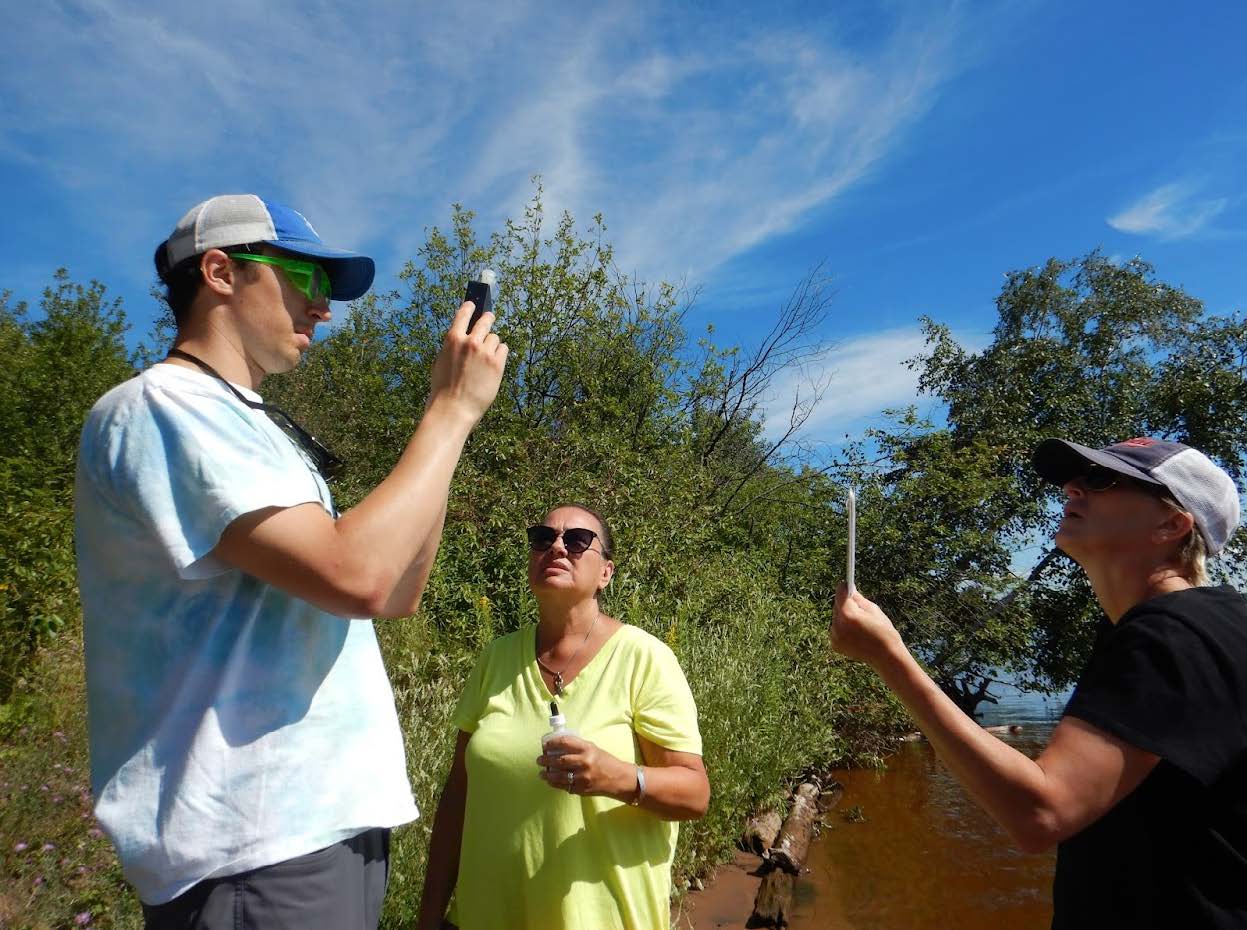
Participants will work alongside scientists, educators, and peers to explore current Great Lakes conditions, human and natural impacts, and strategies for community science and stewardship. Through fieldwork, interactive sessions, and ready-to-use classroom resources, educators will gain practical tools to inspire students and bring meaningful Great Lakes learning into their classrooms.
Workshop benefits include a $250 stipend, lunch, lodging if needed, classroom supplies and resources, and the opportunity to collaborate with educators from across the Great Lakes region. Learn more and apply online.
Applications are open to classroom and non-traditional educators of all grades, levels, and content areas. Locally, the workshop prioritizes educators teaching along Wisconsin’s Lake Superior coast—from Superior to Hurley—and in Minnesota near the St. Louis River Estuary and its watershed. Regionally, educators in Wisconsin along Green Bay and in Ohio along Lake Erie are also encouraged to apply.
This workshop is part of Teachers on the Estuary, a national program offering immersive professional development opportunities at National Estuarine Research Reserves across the country. The workshop is hosted collaboratively by the Lake Superior and Old Woman Creek National Estuarine Research Reserves, University of Wisconsin–Green Bay, the Planet Stewards program through the National Earth Science Teachers Association in partnership with NOAA, and the Friends of the Lake Superior Reserve. Additional funding support is provided by the Freshwater Collaborative of Wisconsin and the Wisconsin Coastal Management Program.
Application and workshop questions can be directed to Melissa Burke at melissa.burke@wisc.edu or 715-399-4138. You may also request an interpreter, materials in an alternative language or format, or other services to make this event more accessible, by contacting Burke. There’s no added cost to you for these services.